#MARKETS & INVESTING
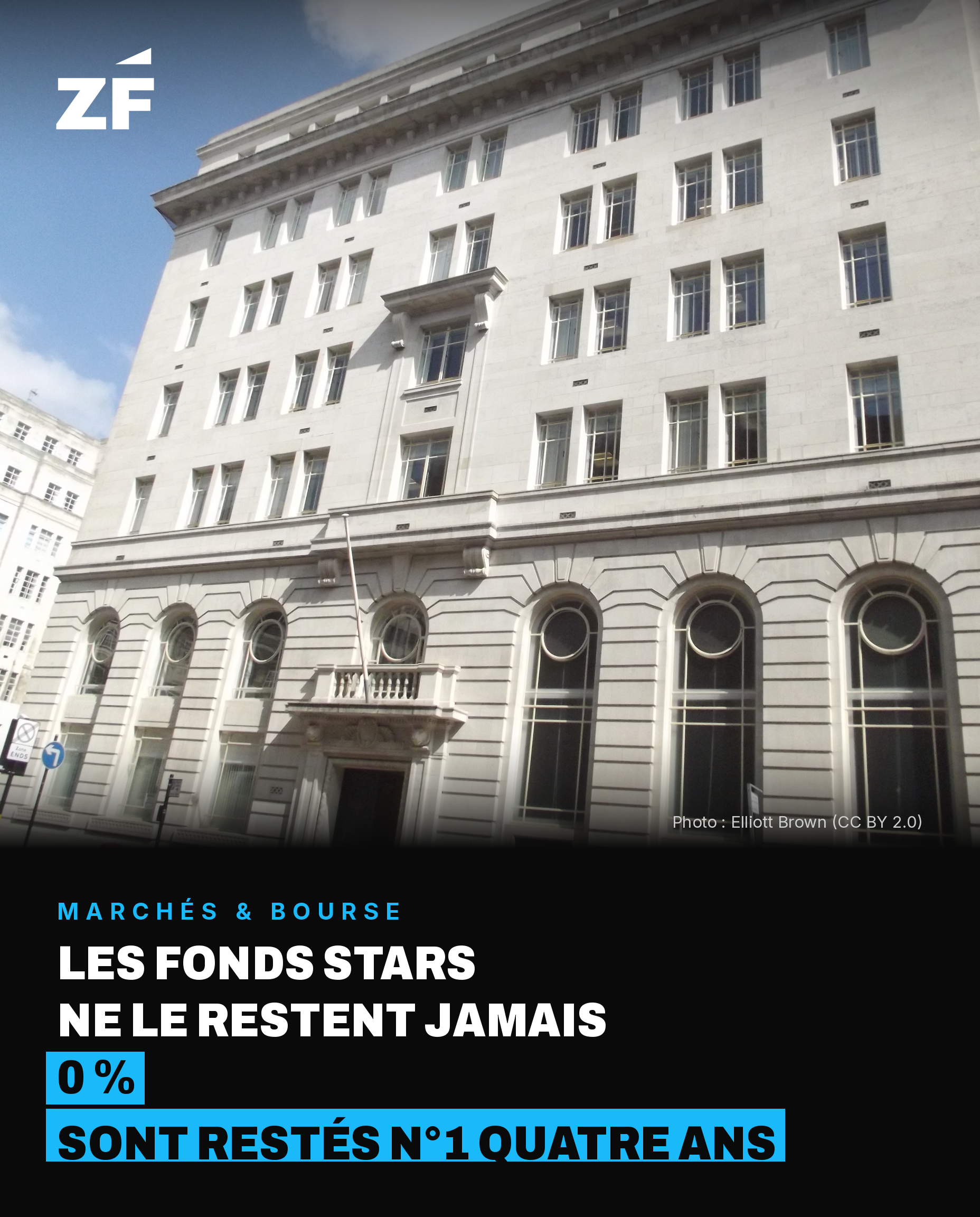
Is the top-ranked fund of one year more likely to stay on top? The persistence numbers say no.
Published on August 19, 2026 · to be rechecked on August 1, 2027
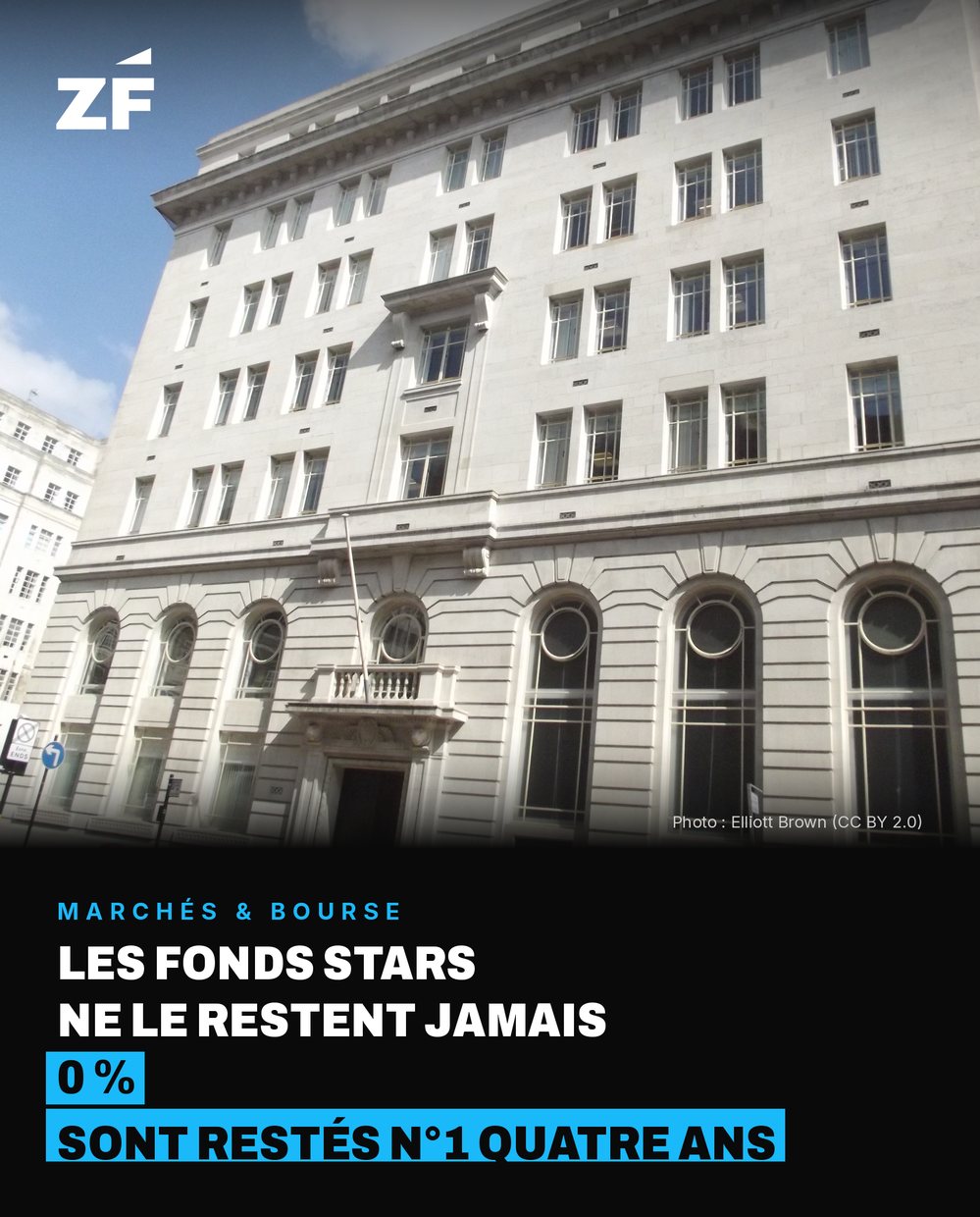
Every year, S&P Dow Jones Indices publishes a “Persistence Scorecard” that tracks, free of survivorship bias, every U.S. equity fund ranked top quartile at a given date. Of the 162 large-cap funds ranked top quartile at the end of 2020, 6.79% were still there at the end of 2021 — then 0.00% at the end of 2022, 2023 and 2024. Even widening the bar to the top half of funds, only 2.42% stayed in the top half for five straight years, versus the 6.25% you'd expect if ranking came down to pure chance.
Wouldn't chance alone explain some of this lack of persistence?
Actually, no: under a random-draw assumption, you'd expect about 6.25% of funds to stay in the top half for five straight years (0.5 to the power of 4). The observed result (2.42%) falls below that threshold — a sign that outperformance owes more to luck than to durable skill.
In other words: last year's “star manager” is, statistically, no more likely to stay on top than any other manager picked at random.
Three caveats, because they matter
- These figures cover U.S. domestic equity funds; bond funds show somewhat better persistence (17% stayed top quartile for two straight years).
- The calculation excludes funds merged or liquidated along the way, which could slightly overstate the persistence actually observable.
- This is a snapshot over a single window (2020-2024); earlier editions of the scorecard show similar results, though each vintage varies a little.
Why it still matters: picking a fund because it was best last year offers, on its own, no guarantee for the following year — past performance hasn't proven a reliable selection criterion over this period.
For you
- Have you ever picked a fund because it topped an annual ranking?
- What criteria, besides past performance, could you use to pick a fund instead?
Source: S&P Dow Jones Indices, “U.S. Persistence Scorecard Year-End 2024”, Anu R. Ganti, Davide Di Gioia and Agatha Malinowski.
View the source →