
← Back to home
All the news
Each article gives the number, the exact source, and what it doesn't say.
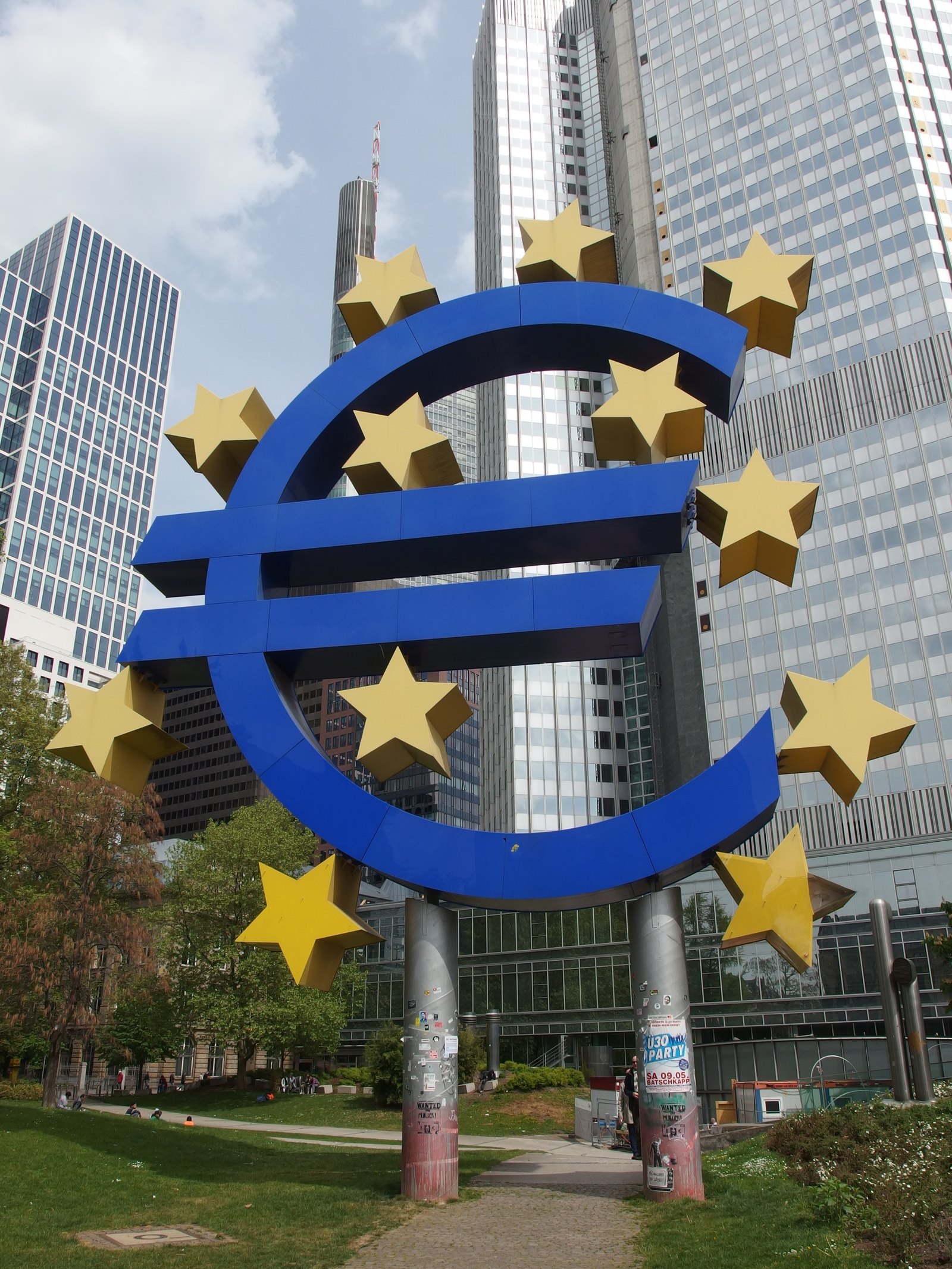 36 providers"The digital euro has already launched." Not yet: the ECB has just selected 36 payment service providers for a 12-month test, starting in the second half of 2027, of a beta version without legal tender status.
 2.50%"When the economy slows, the central bank cuts rates." In September 2026 the ECB raises its own by 0.25 points (deposit rate: 2.50%), while projecting 0.9% growth and 3.0% inflation.
 348 taxes"France has 348 taxes." That is a British think tank's count, not an official figure: France's Court of Audit identifies 243 low-yield taxes, together raising about €6 billion.
 3.0%"Inflation is rising everywhere." Not quite: in September 2026 energy prices rise 21.2% over a year, while manufactured goods fall 0.3%.
 119.0% of GDPPublic debt gained 1.5 points of GDP in a single quarter: 119.0% of GDP at end-June 2026, according to Insee, against 117.5% at end-March.
 17%"The State will take 17% of your savings accounts." The budget text does not say that: it only targets forgotten assets already deposited with the Caisse des dépôts, and their owner can recover them in full.
 5.0% of GDP"The 2027 budget brings the deficit down to 5%." That is the government's target, not a result: the 2026 deficit has itself just been revised up to 5.4% of GDP.
 €41.3bn"The French are abandoning life insurance." In 2026 they have poured in more than in twenty years: €41.3 billion of net inflows in the first seven months.
 8,700 pts"When the economy struggles, the stock market falls." In 2026 the CAC 40 crossed 8,700 points for the first time, an all-time record — even as French growth slows.
 4.63%"French debt is still a safe, cheap bet." In September 2026 France borrows at 4.63% over 10 years, its highest since 2008, and the gap with Germany has topped 1 point — unseen since the 2012 eurozone crisis.
 −2.3%"Construction is where businesses go bust." Yet at end-July 2026, French construction firms were failing less often than their pre-Covid average, while the economy as a whole was 19% above it.
 +0.5%"All of Europe has stalled." In Q2 2026, French GDP grew just 0.5% year on year, versus 1.0% in Germany and Italy and 2.7% in Spain.
 −€39.2bn"The more you invest, the richer you get." In Q1 2026, French households invested €32.0bn, yet their financial wealth fell by €39.2bn.
 1.1%"Inflation is back." In August 2026, French consumer prices rose 2.4% year on year. But excluding energy and volatile items, core inflation fell, to 1.1%.
 +105,400"After 55, companies don't keep anyone." Yet it's the only age group where private-sector employment is growing: +2.7% in a year, while it falls for those under 55.
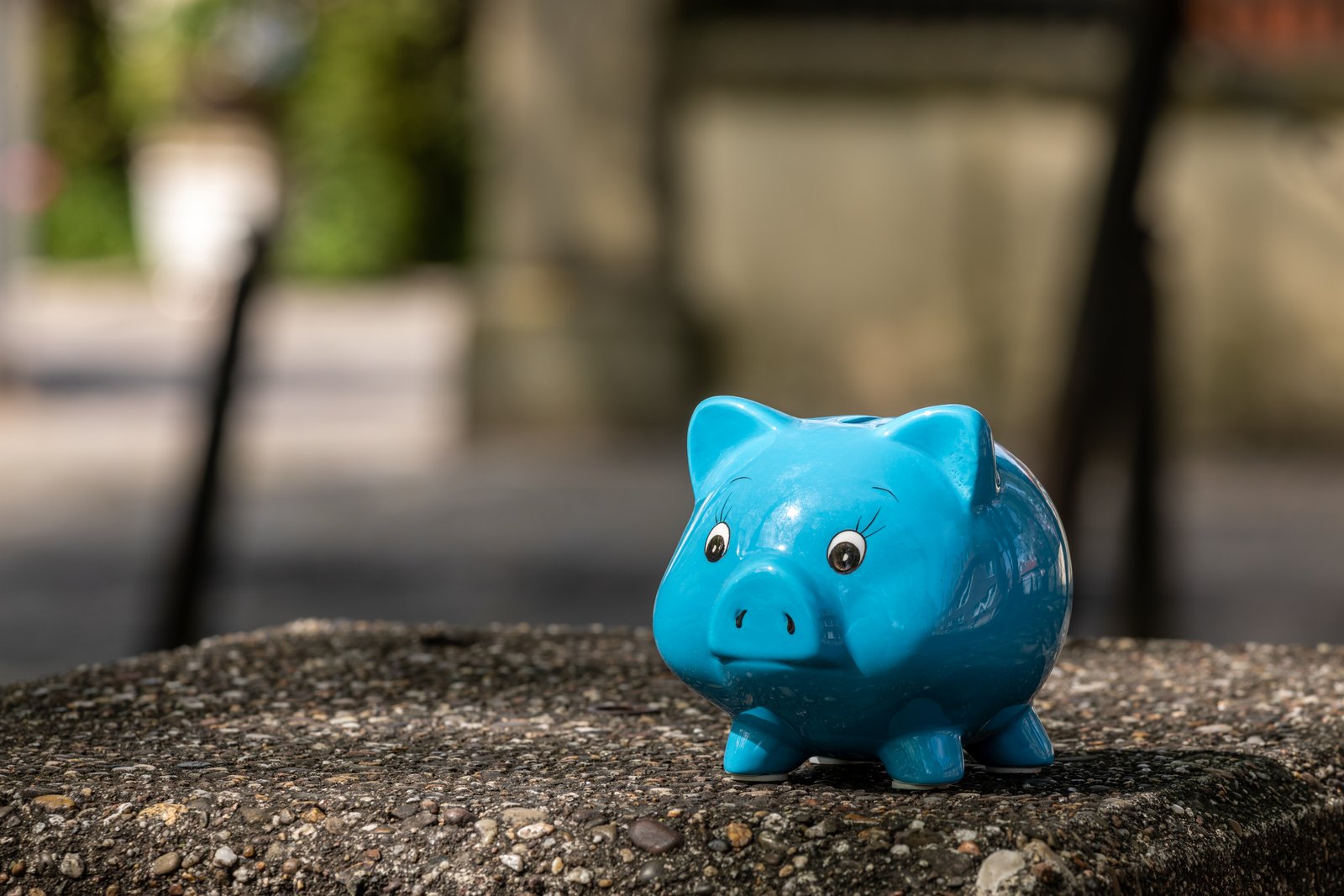 −€5.4bn"The Livret A is still France's favourite savings account." Yet since January 2026, savers have withdrawn €5.4bn more than they paid in.
 -€61.6bn"France's trade deficit keeps getting worse." It has actually more than halved since its 2022 record — even though the latest known month, July 2026, showed a fresh deterioration.
 958,000"The property market is frozen." Yet prices for existing homes fell sharply again in Q2 2026 (−1.0%) — and the number of transactions didn't drop, it rose.
 8.3%"France's labour market is holding up." Yet in Q2 2026 the unemployment rate rose for a fourth straight quarter, to its highest level since the pandemic.
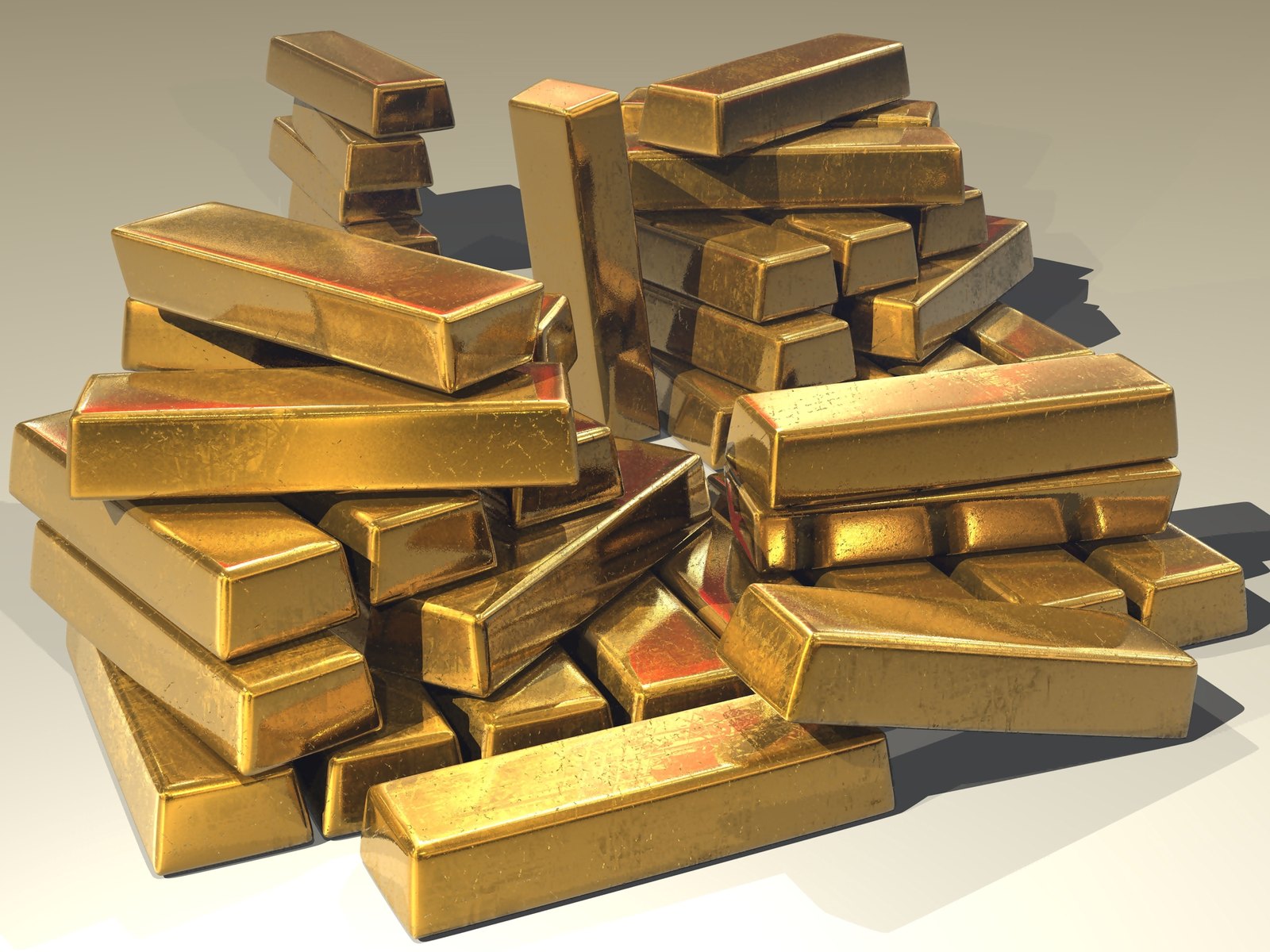 −25%"Gold is the safe haven that never falls." In 2026 it hit an all-time record — then dropped about a quarter in two months.
 €54bn"The state is making 54 billion in savings." The figure is real — but it is not 54 billion in lower spending: it is the effort needed to stop the deficit slipping to 6.5% of GDP.
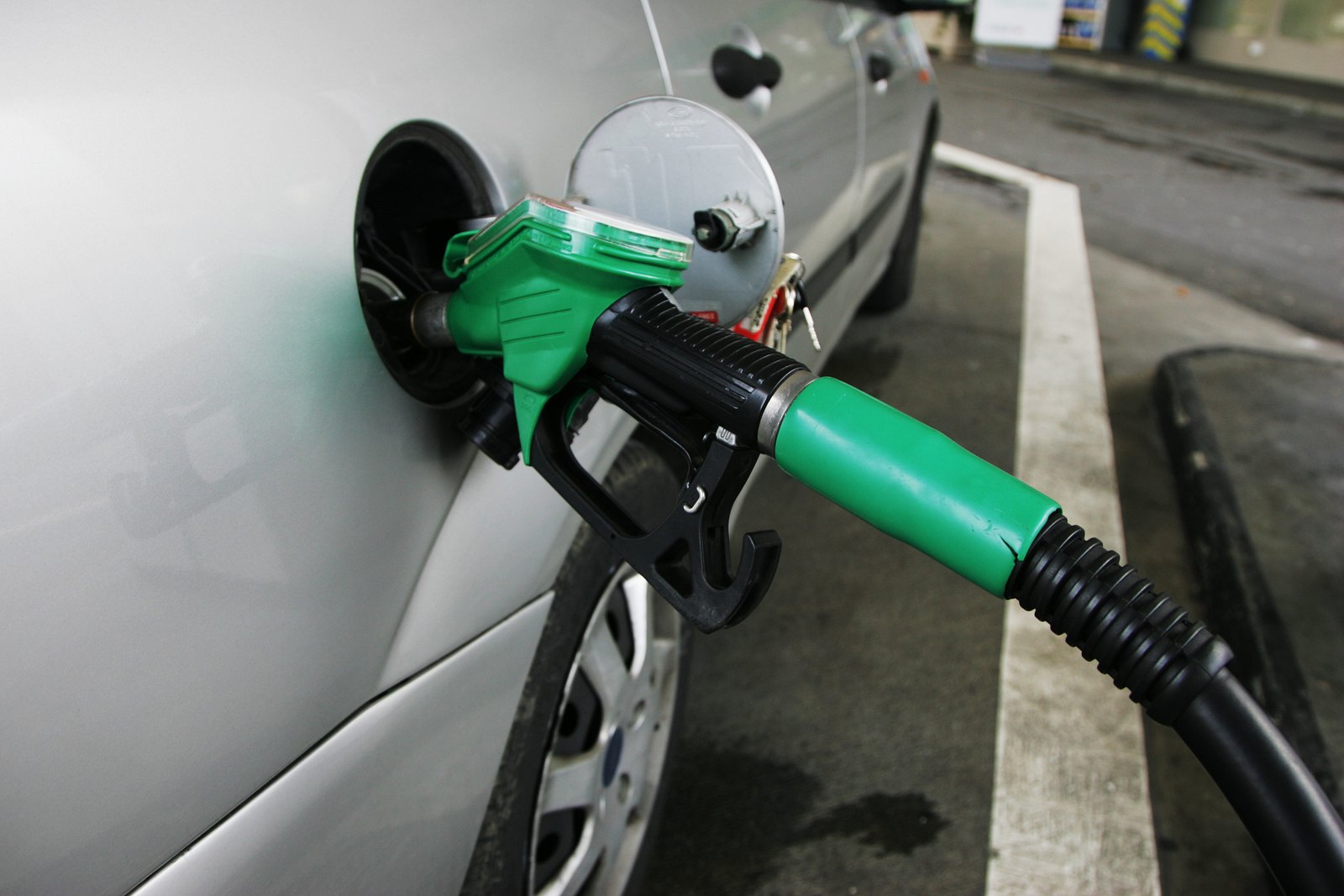 50%"If petrol is expensive, blame oil." In France, about half the price of unleaded at the pump is not the barrels — it is tax.
 81%"Bitcoin made retail investors rich." According to the Bank for International Settlements, about 81% of crypto app users would have lost money on their bitcoin purchases between 2015 and 2022.
 26%"The richer you are, the more tax you pay." In France the effective tax rate rises with income — then falls at the very top: 26% for the richest 0.0002%, versus 46% for the top 0.1%.
 72%"A ‘World’ ETF means the whole planet." As of 31 August 2026, the MSCI World index is 72% US stocks — and France is just 2.4% of it.
 31.5%"Companies are cashing in on inflation." In the second quarter of 2026, the French corporate profit share did not move at all — and what kept it from falling, the national statistics institute says, was the drop in real wages.
 66.5%"France has never created so many businesses." True: up 10.8% over twelve months. But two in three of those creations are simply sole-trader registrations.
 17.2%"When purchasing power falls, people tighten their belts." In the second quarter of 2026, French households' purchasing power fell 0.6% per consumption unit — and their spending rose 0.3%.
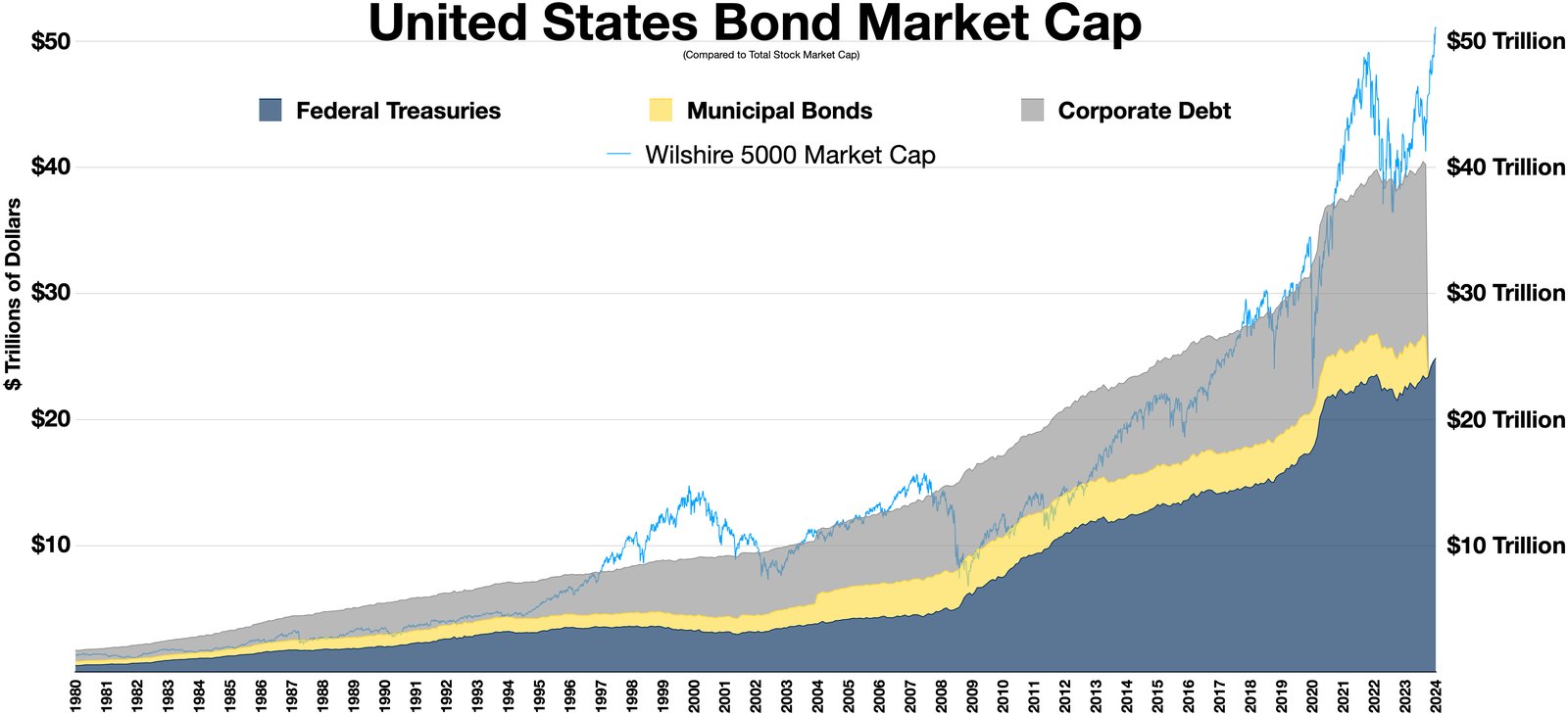 38"The stock market is for older people." In the fourth quarter of 2025, the average French retail investor trading an ETF was 38 years old — ten years younger than the average share trader.
 −13.1%"Over-indebtedness is exploding." Filings did rise 12.3% in the first half of 2026. In the same barometer, registrations for payment incidents fell 13.1%.
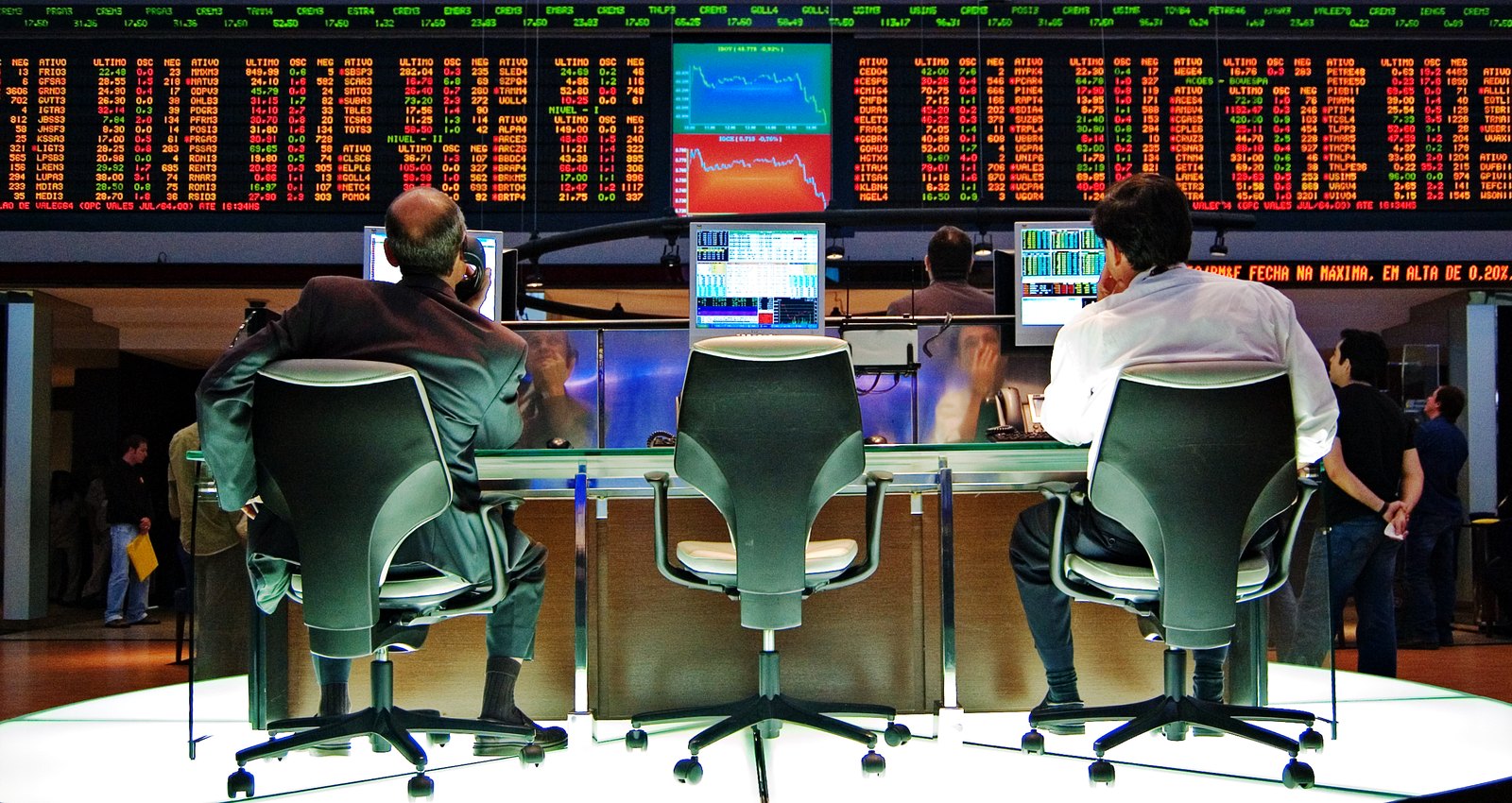 1.1 million"ETFs are still a niche product in France." In 2025, 1.1 million French retail investors bought or sold at least one, against 223,000 in 2020.
 57%"You need a large income to get a mortgage." In April 2026, 32% of the households granted a home loan in France earned less than two minimum wages, and 57% less than three.
 19.3%"A euro fund quotes a net rate, so it carries no fees." The 2.63% credited in 2025 is what remains after a 0.63% management charge. Before that deduction, the return works out at 3.26%.
 0.99 point"French euro funds paid 2.63% in 2025." That is a market average. Within a single insurer, the gap between the best and worst rewarded contracts reaches 0.99 percentage point.
 1.955 vs 1.07"A loss hurts twice as much as an equivalent gain." The reference meta-analysis puts the figure at 1.955. A re-analysis of the very same dataset drops it to 1.07 as soon as gains and losses are the same size.
 95% vs 20%The "4% rule" says you can withdraw 4% of your capital every year without ever exhausting it. In the study that established it, the rule holds in 95% of thirty-year periods with half the portfolio in equities, and in 20% with no equities at all.
 60.38%Of 212 French equity funds counted at the end of 2015, 60.38% were still alive at the end of 2025. The other four in ten were merged or liquidated, and appear in no ten-year league table.
 36% vs 25%At the end of 2024, women's own-right pensions in France were 36% lower than men's. Add survivor pensions and the gap falls to 25%. The mechanism that erases a third of it is the one that opens when a spouse dies.
 −8% vs −3%Ongoing costs on retail equity funds in the EU fell 8% in 2024. For funds that already existed, the fall was only 3%. The difference comes from new, cheaper funds entering the average.
 37.5 years vs 37.5 yearsExpected duration of working life in France in 2025: 37.5 years. In the European Union: 37.5 years. The country described as the one that works least sits exactly on the average — and has done, within half a year, every year since 2002.
 +17.04% vs −0.97%The tenth of US stocks that rose most over twelve months has returned 17.04% a year since 1927. The tenth that fell most has returned −0.97%. Intuition says buy what has dropped; a century of data says the opposite.
 +9.7% vs +27.3%Between 2015 and 2025, French house prices rose 27.3% and consumer prices 24.4%. Rents actually paid rose 9.7%. Buy-to-let is sold as inflation protection; over this decade, the rent did not keep up.
 2,209,000 rialsThe dollar trades at 2,209,000 rials on Tehran's free market. The figure reads like geopolitical news; it is first a levy on Iranian savings. Over twelve months the dollar went from a low of 974,500 rials to a high of 2,218,000.
 +28.3%"In wartime the stock market collapses." From September 1939 to August 1945 the US stock market gained 28.3% in real terms, dividends reinvested and inflation removed. Of seven major conflicts since 1914, six ended in a gain.
 28% against 4%"The market is expensive, so it will fall." Valuation explains 28% of the spread in ten-year returns — and 4% at one year. The most expensive quintile still returns 5.2% the following year, and ends positive 69% of the time.
 $19,225 vs $4,156"Sell in May and go away" rests on a real fact: from May to October the US market returns half what it returns from November to April. Applying the rule for a hundred years still divides the final capital by 4.6.
 47 monthsSince 1871 the US market has been through fifteen declines of at least 20%. Getting back to the previous peak takes 47 months at the median, with dividends reinvested and inflation stripped out. But the record does not belong to 1929: it belongs to 2000, at 153 months.
 17.4% vs 14.2%In the first quarter of 2026, French households set aside 17.4% of their gross disposable income. The average across the twenty years before Covid was 14.2%. Six years on, the rate has never come back down.
 11.32% vs 9.47%The third of US stocks paying the highest dividend yield returned 11.32% a year from July 1927 onwards. Those paying no dividend at all: 9.47%. A gap of 1.85 points a year — which vanished after 2000, then reversed.
 −16.26%In 2022 US equities lost 19.44%. The sleeve meant to cushion the blow — the ten-year US Treasury — lost 16.26%. Both halves of the portfolio fell together.
 43.7% vs 12.8%Bitcoin's volatility has halved in ten years: 87.9% in 2017, 43.7% over the last twelve months. It is still 3.4 times that of the S&P 500, against 3.7 times on average over the decade.
 21%An investor who put the same amount to work every year, always at the year's highest point, thirty years running, would have multiplied the money by 3.45 in real terms. Buying at each year's low — perfect timing — yields 21% more. That is all.
 75%A fund must hold more than 75% of its assets in European securities to qualify for the PEA. Synthetic ETFs meet that quota while swapping the performance away: the government has dropped its plan to close that door in 2027.
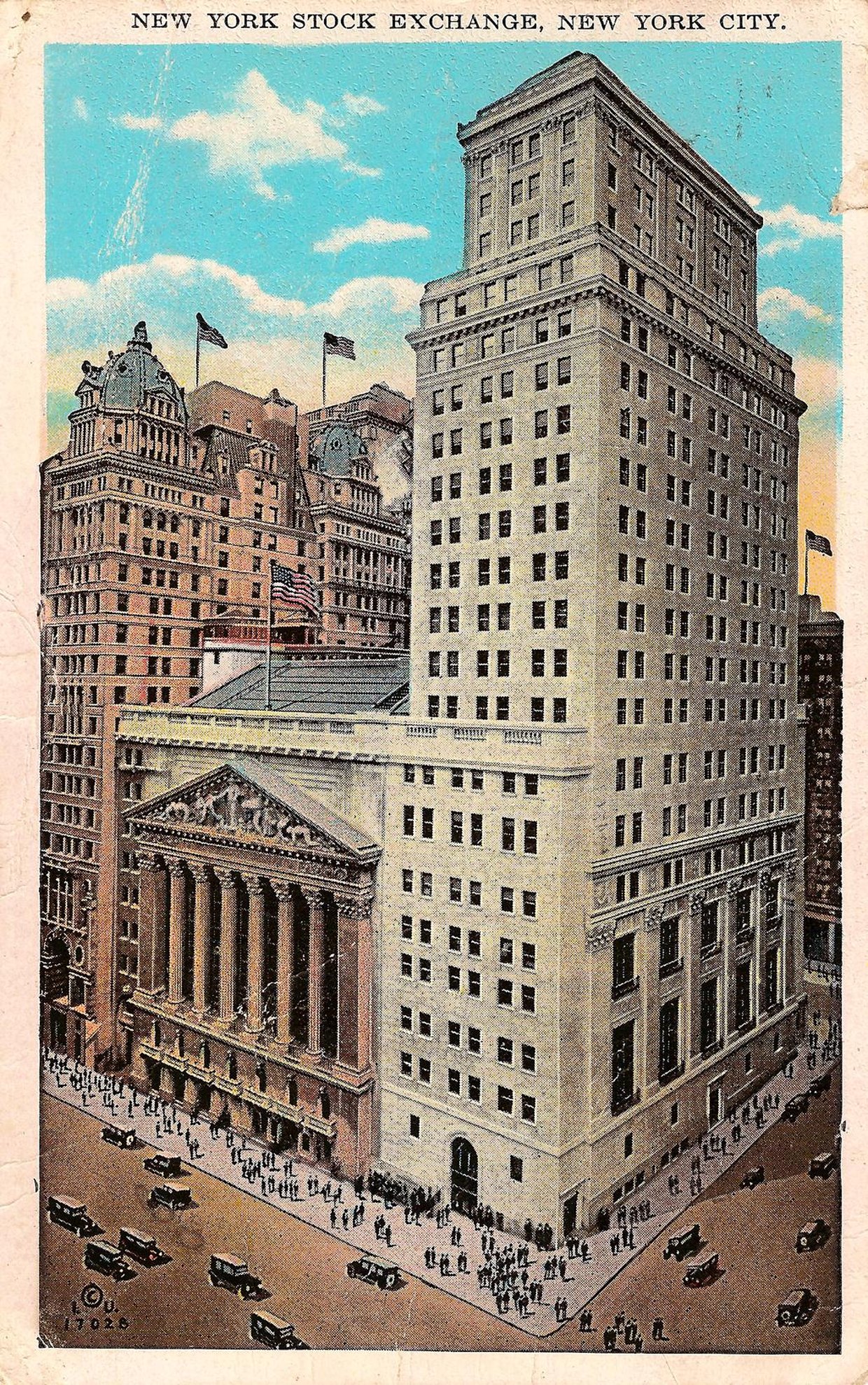 25 years, or 7 yearsThe 1929 crash is said to have taken twenty-five years to erase. That is true of the Dow Jones price alone. Reinvest dividends and adjust for deflation, and the starting point was back within seven years.
 0.0% after +0.2%Announced at +0.2% on 30 July, French second-quarter 2026 growth was cut to 0.0% on 28 August. The first quarter went from 0.0% to −0.2% across three releases.
 12.1%, then nothingShare buybacks delivered 12.1% in abnormal returns over four years in the founding 1995 study. Correct for correlation across firms and the effect becomes undetectable.
 +10.7% vs −0.2%Between 1927 and 2015, the excess return on US equities averaged 10.7% a year under Democratic presidents, against −0.2% under Republican ones.
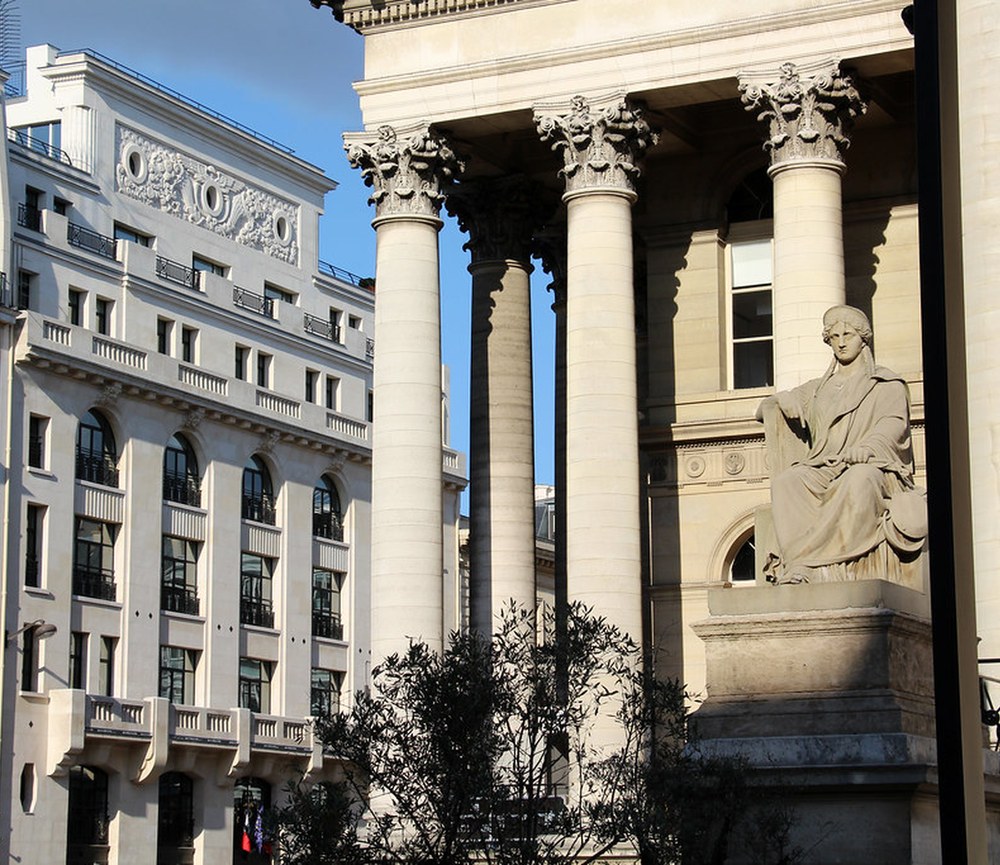 51% vs 3-4%French residents hold 51% of their listed equities in French-issued shares, while France accounts for 3 to 4% of world stock market capitalisation.
 138 TWh, 0.5%The Cambridge Centre for Alternative Finance puts the bitcoin network's annual electricity use at 138 TWh, or roughly 0.5% of world electricity consumption.
 − 30%Between late 1990 and early 1998, housing prices in Paris fell 30% in current euros, according to IGEDD, an inspectorate of France's environment ministry.
 24%Among young people who entered the French labour market in 2017 and held a permanent contract in March 2020, 24% were no longer on one three years later, according to Céreq.
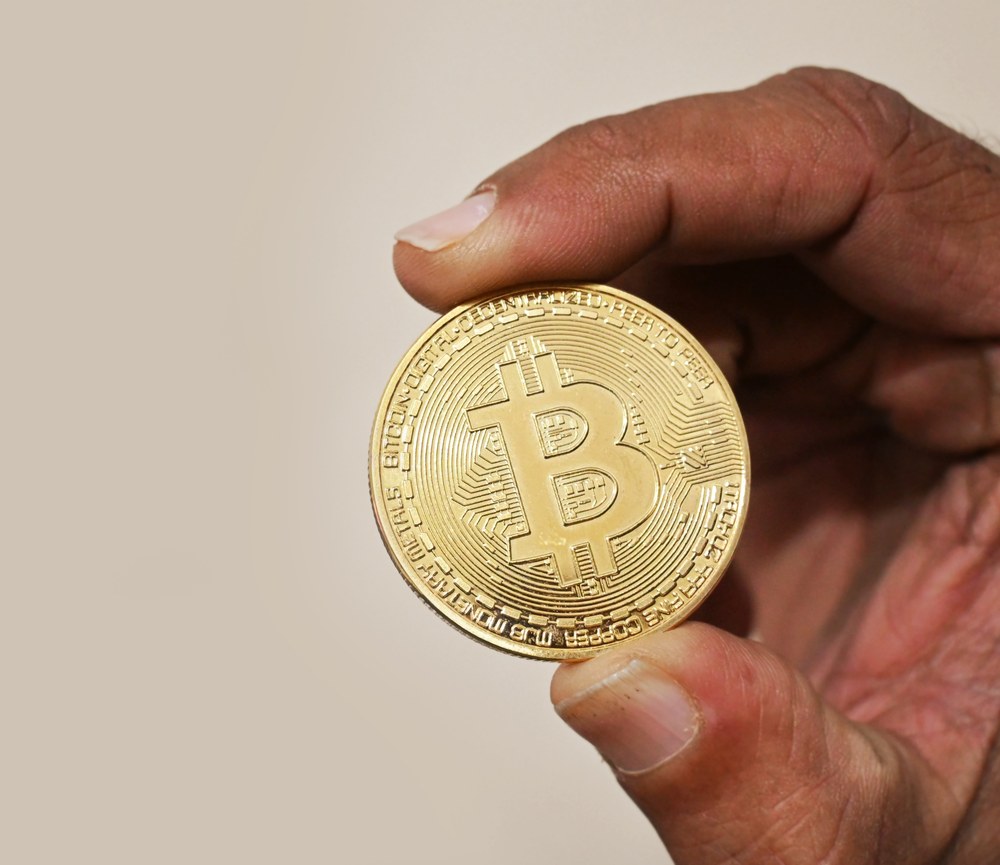 0.01, then 0.36The IMF measured how closely daily bitcoin moves track the S&P 500: a correlation of 0.01 over 2017-19, and 0.36 over 2020-21.
 −58%McLean and Pontiff replayed 97 signals said to predict stock returns. Once the study documenting them is published, their return falls by 58%.
 +0.6%/yr, then 0In 2024, the average net wage in France's private sector barely regained its 2019 level in constant euros. Between 1996 and 2019 it gained 0.6% of purchasing power a year.
 39.3% or 2.1%Five million euros passed on to an only child, in direct line. Depending on the legal packaging, the duties owed are either 1,967,394 euros or 103,194 euros. Both figures are computed by France's public levies council.
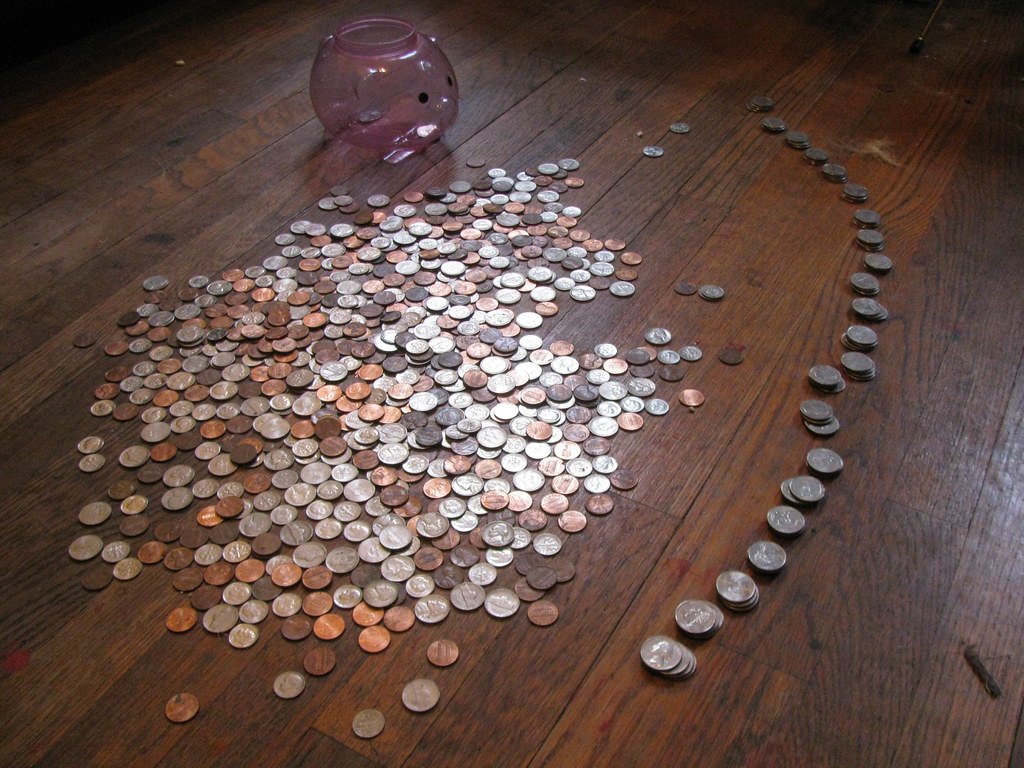 4.5% versus 4.6%French households are said to be afraid of the stock market, unlike their neighbours. In the euro area's financial accounts, the share of listed shares in their financial wealth is the European average, to within a tenth of a point.
 6,950 EUR out of 10,000Leaving money in a current account looks like a neutral decision: you earn nothing, but you lose nothing either. Measured against twenty years of French inflation, the bill can be worked out precisely.
 $75,000, then no ceilingIn 2010, a famous study concluded that money stops buying day-to-day happiness past a certain threshold. Thirteen years and two studies later, the answer turned out to be more nuanced — and different for most people.
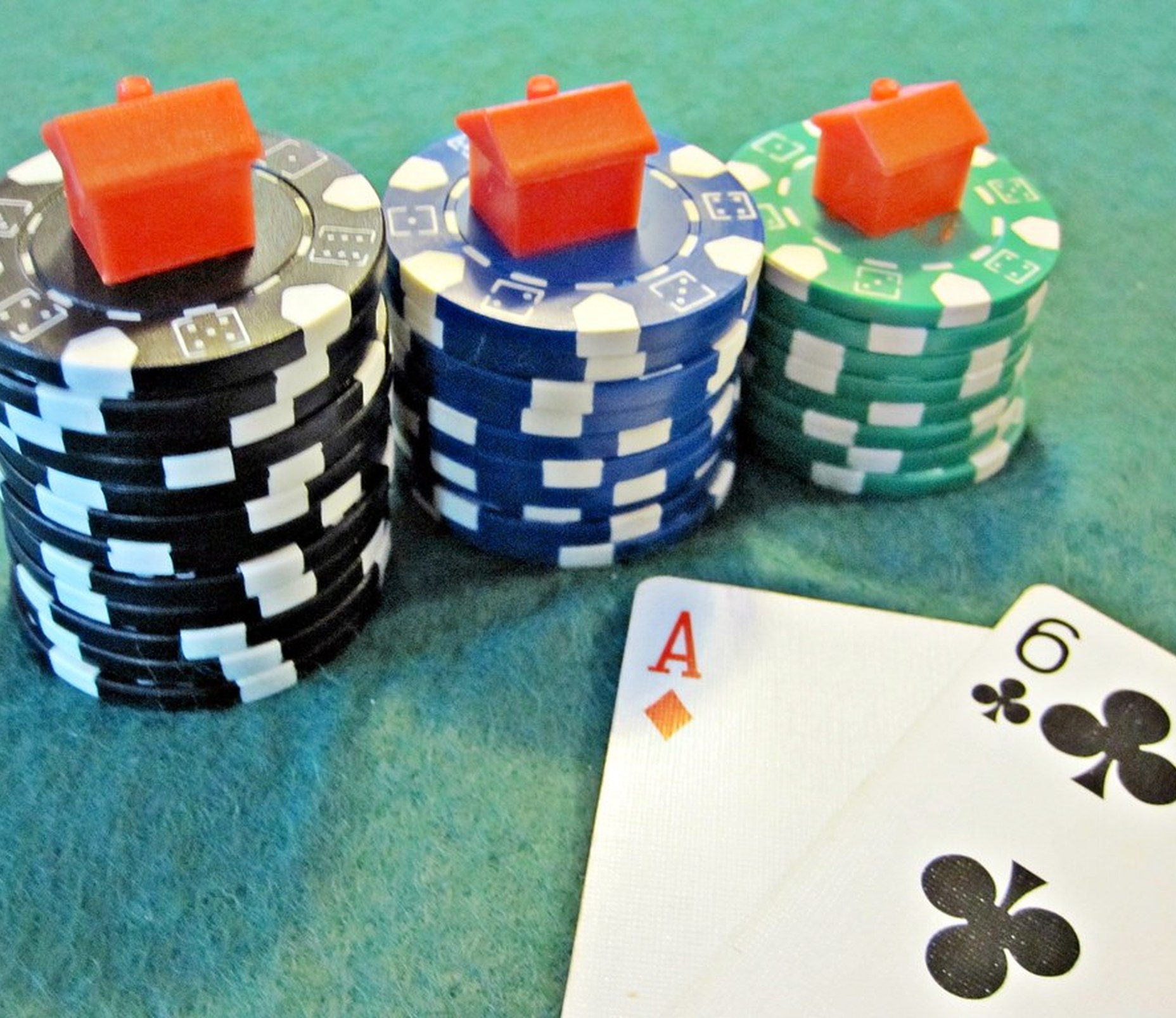 85% cap vs. +6.6%/year'The stock market is a casino' comes up every time markets fall. The two actually run on opposite mechanics — written into law for one, measured over 125 years for the other.
 24 years out of 46A 10% drop in the stock market is treated like a rare, alarming event. Since 1980, it has happened in nearly one year out of two.
 49% vs. 13.5%A young homeowner's wealth shows up as a solid number. About half of that number isn't actually theirs: it's debt.
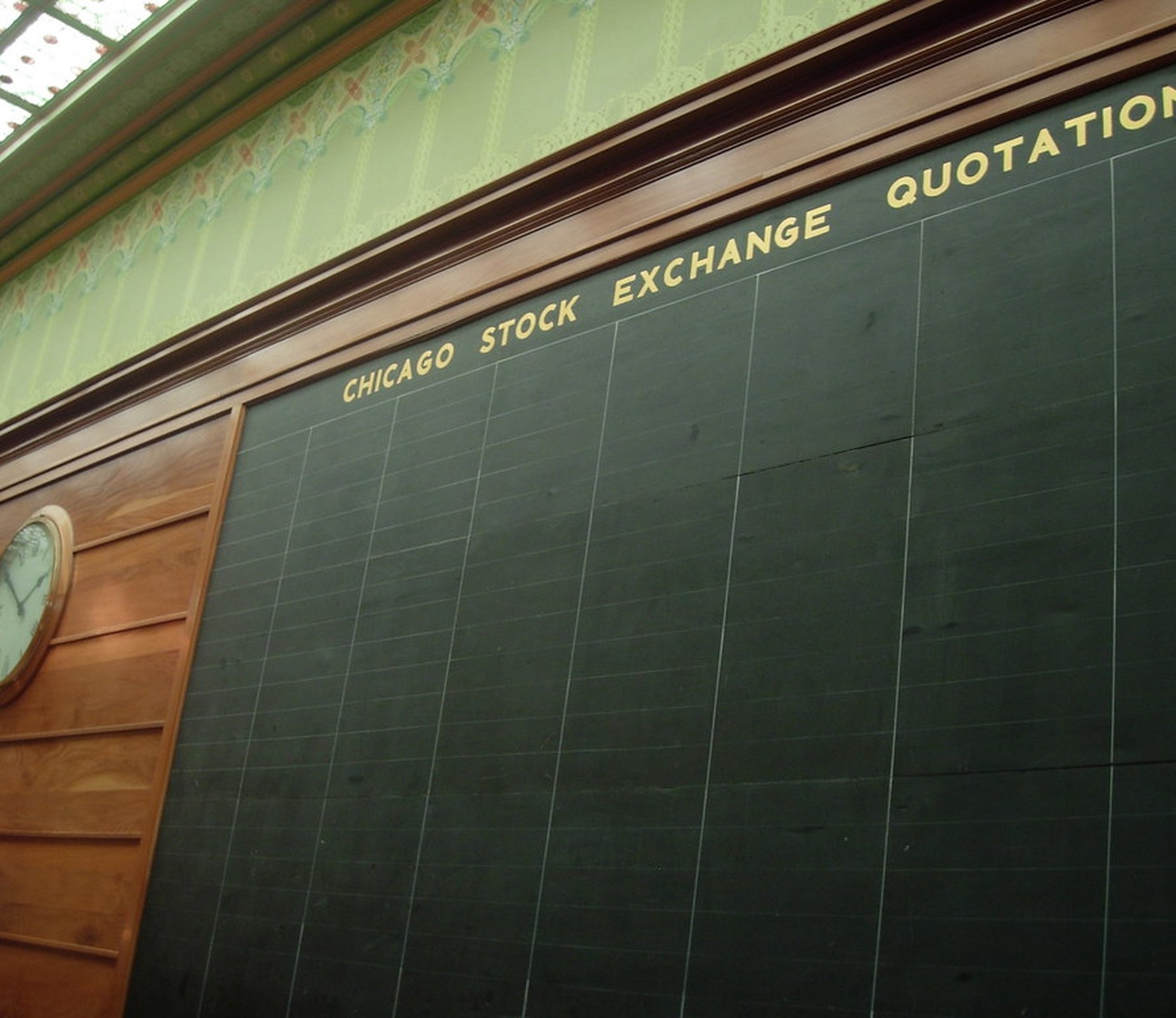 10 stocks, then over 100We keep hearing that about ten stocks is enough to diversify a portfolio. That rule is over fifty years old, and more recent research considers it badly outdated.
 60% vs. 35%We like to believe we build our wealth through work and saving. In France, most wealth no longer comes from there: it comes from family.
 4.10%We tend to think of France's borrowing rate as a distant, technical number. It just hit its highest level since 2008.
 +5.9% vs −6.7%A strategy that beats the market for 80 years, then gets beaten by it for 14 straight years: it's the same strategy.
 57%A company going public makes headlines and pops 19% on day one, on average. Five years later, most investors who followed it have lost money.
 66.6% vs 53%We tend to assume public-sector jobs come with a safer retirement than private-sector ones. Official projections say the opposite.
 5 out of 153A year before every recession of the last quarter century, economists were forecasting... growth, almost every time.
 74%Ask three hundred professional fund managers to rate their own skill: almost none will say they're below average.
 0%Is the top-ranked fund of one year more likely to stay on top? The persistence numbers say no.
 About a yearShould you really check your portfolio in real time? An academic calculation says: roughly once a year.
 1.4 points less per yearMen trade more than women in the stock market — and earn less as a result.
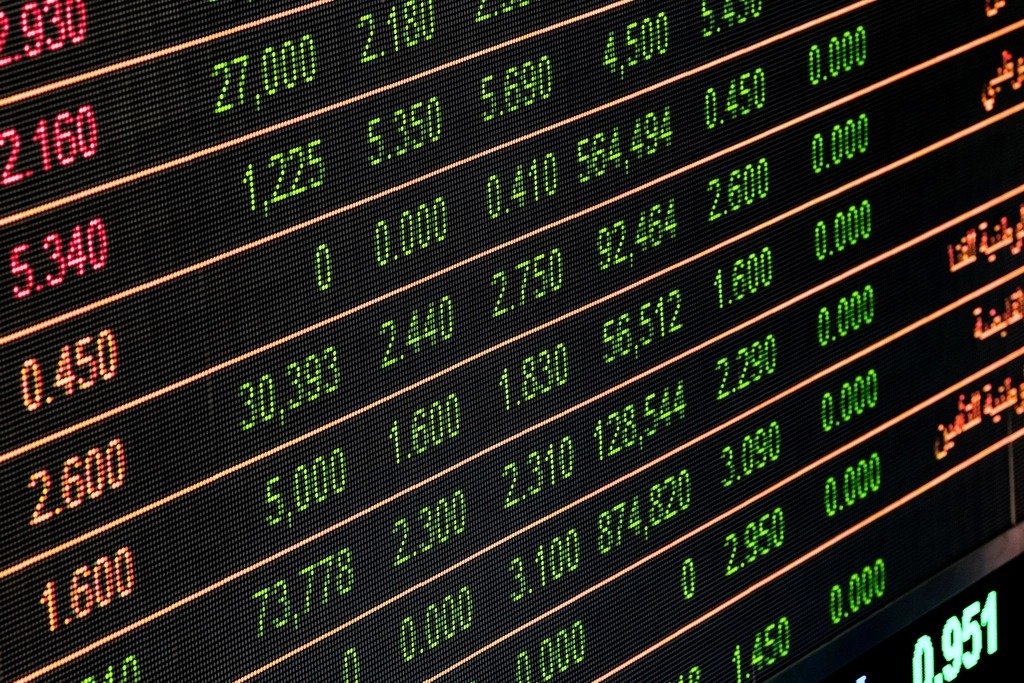 8.7% vs. 9.9%Funds earn more than the people who hold them — not because of fees, but because of timing.
 58% vs. 42%Investors sell their winning stocks too early, and hold on to their losers too long.
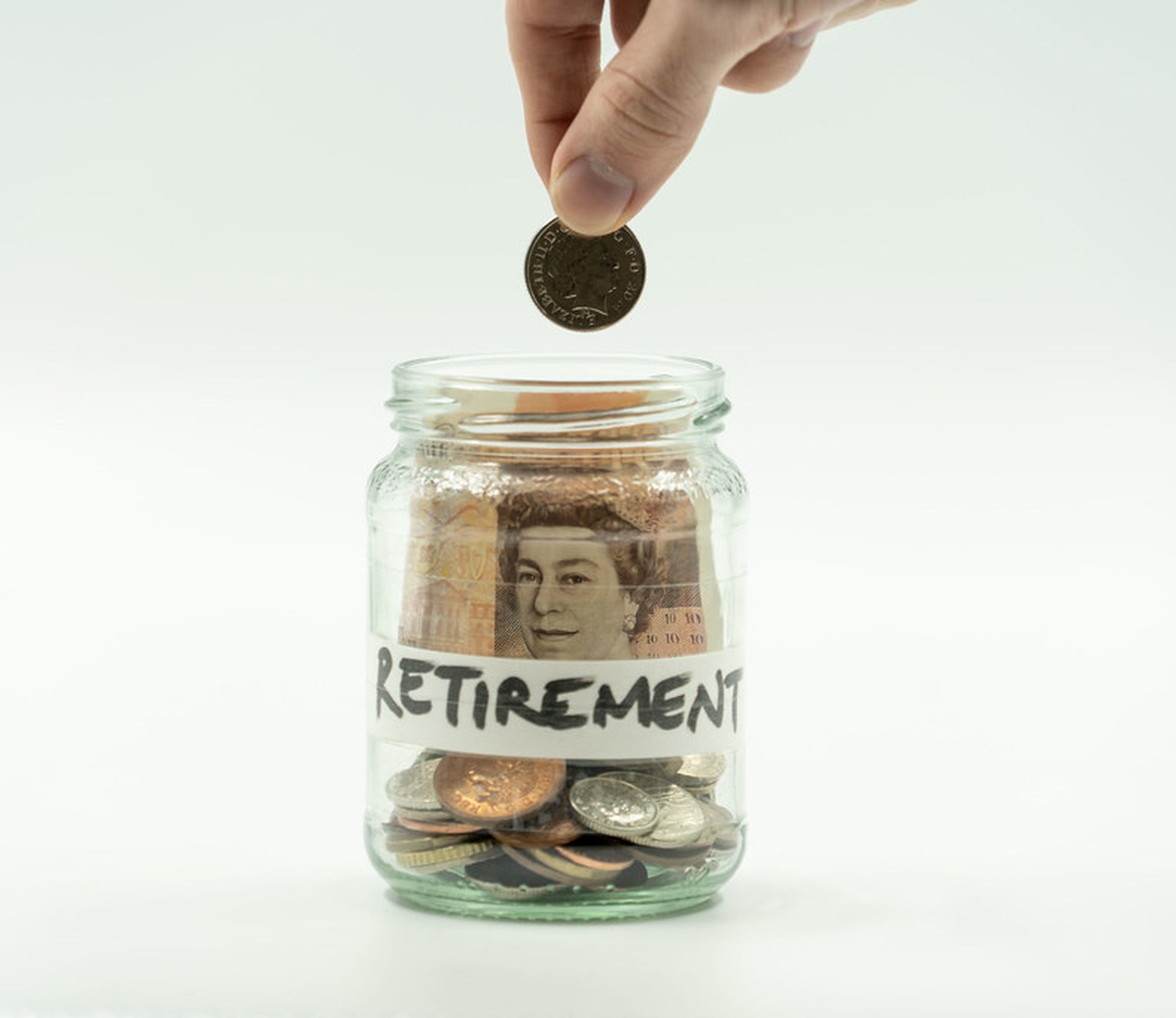 €3,000 vs. €3,000Deducting your PER contributions isn't a tax gift — it's a tax deferral, repayable when you withdraw.
 5.52% vs. 8.81%The CAC 40 index the news quotes every evening doesn't count the dividends paid by its companies.
 11.4% vs. 18.5%The individual investors who trade the most aren't the ones who earn the most — quite the opposite.
 75%The French Treasury wants to exclude from the PEA the ETFs that replicate the S&P 500 or MSCI World via a swap.
 89%On CFDs and forex, losing money isn't the exception — it's the statistical norm, measured by the regulator itself.
 €213,000 vs. almost €0On €1 million passed to a child, it's the deceased's country of residence that decides what's left.
 12.4%Youth unemployment is climbing worldwide. It isn't poor countries falling behind.
 +77% vs. −77%Getting married builds wealth. Divorcing destroys it — at almost the same percentage.
 2.63% vs. 2.18%The reported return on euro-denominated life insurance funds isn't what you actually receive: social levies take a cut every year, withdrawal or not.
 €100,000 before, €100,000 afterRevolut has obtained its French banking license. The amount guaranteed on your deposits doesn't change by a single euro.
 €18,700 out of €10,000One single percentage point of fees a year doesn't cost one point. Over thirty years, it swallows nearly a quarter of the final capital.
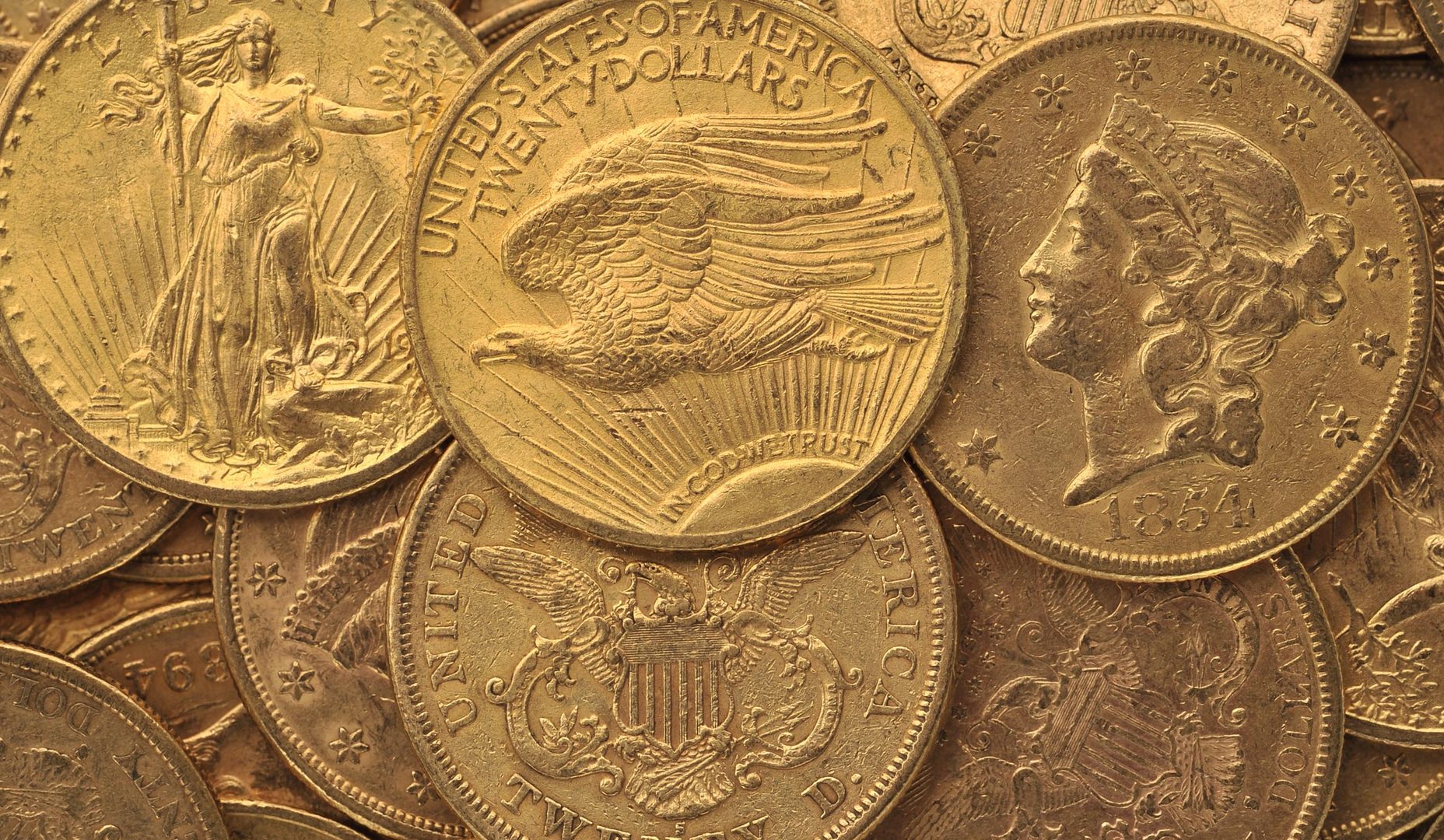 1.3% vs. 6.6%Gold barely protects against inflation. Since 1900 it has returned 1.3% a year after inflation — five times less than stocks.
 97%Of 1,551 individuals who kept day trading for more than 300 sessions, 97% lost money.
 +30,000% vs. −6.9%The average U.S. stock's lifetime return exceeds 30,000%. The median return is negative. Both figures are correct.
 ≈ $700 billionThe four cloud giants will spend more this year than the GDP of most countries. Without yet knowing what it will deliver.
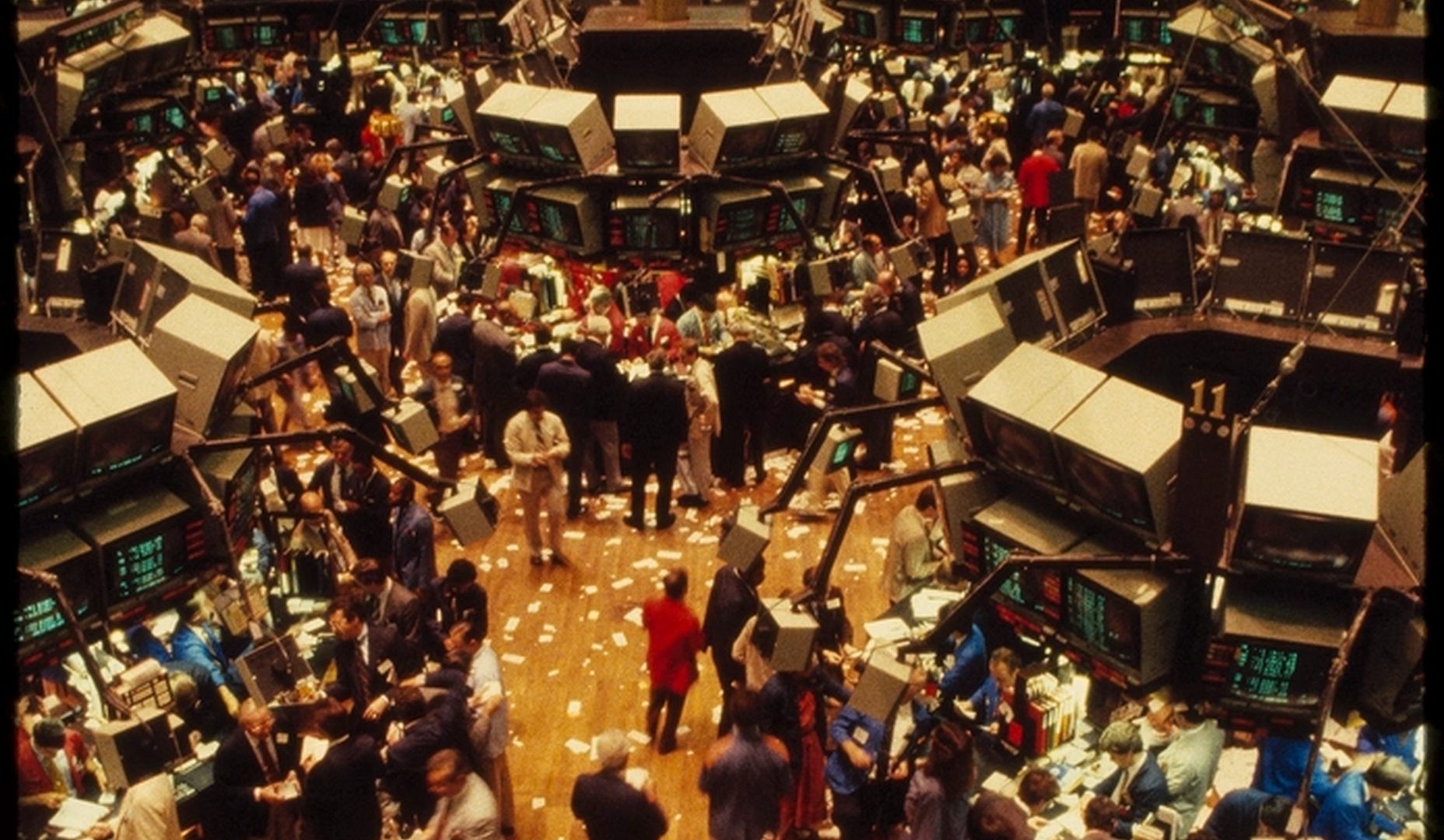 $80,619 vs. $35,866Stepping out of the market “just until it blows over” has cost more than every crisis it was meant to avoid.
 1.70% vs. 2.1%The Livret A doesn't protect your savings from inflation. Right now, it's costing you purchasing power.
 7.05% vs. 6.89%Real estate hasn't beaten the stock market. It tied — with half the swings.
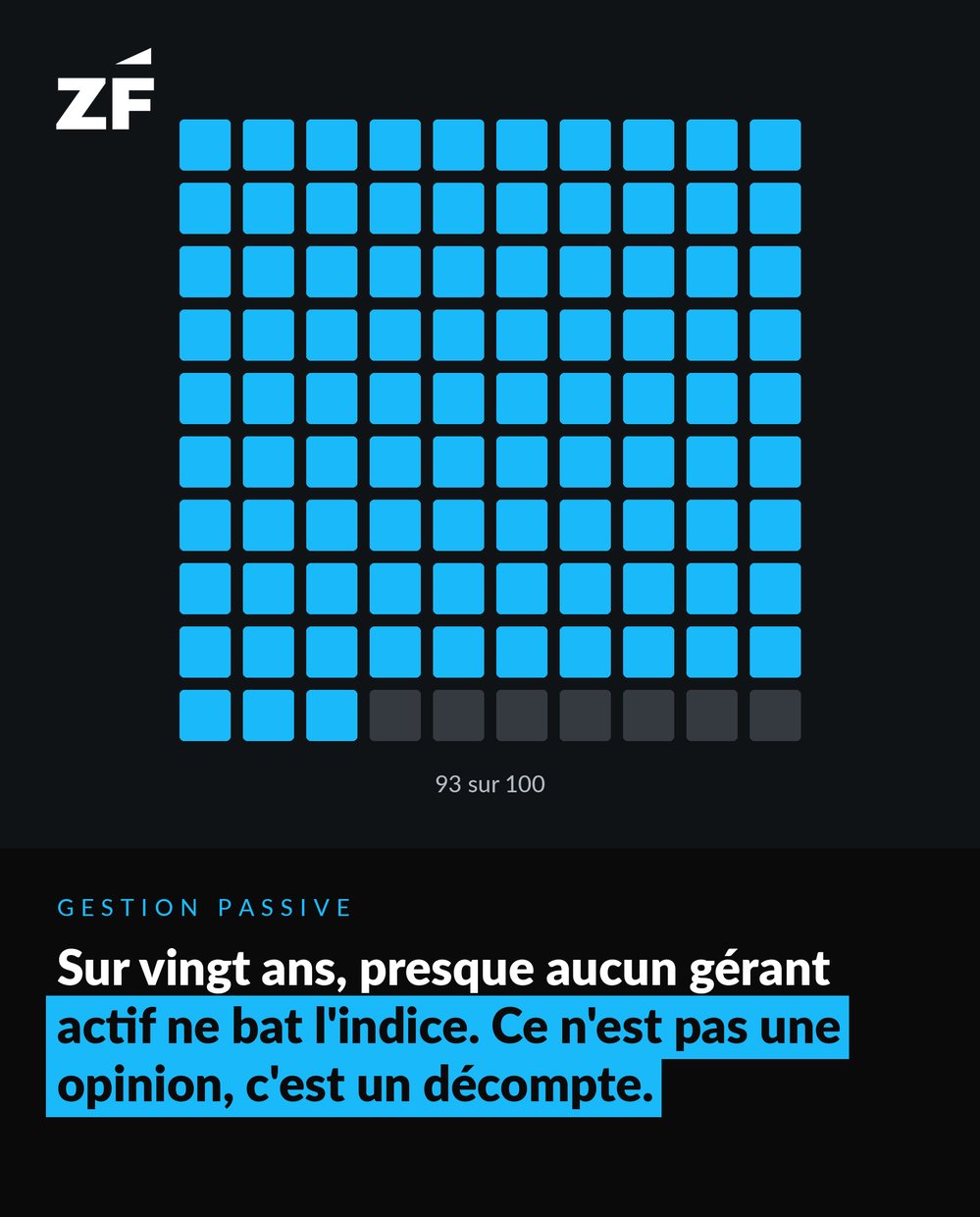 92.89%Over twenty years, almost no active manager beats the index. This isn't an opinion, it's a tally.