
← All the news
Investor behavior
10 articles, each with its source and caveats.
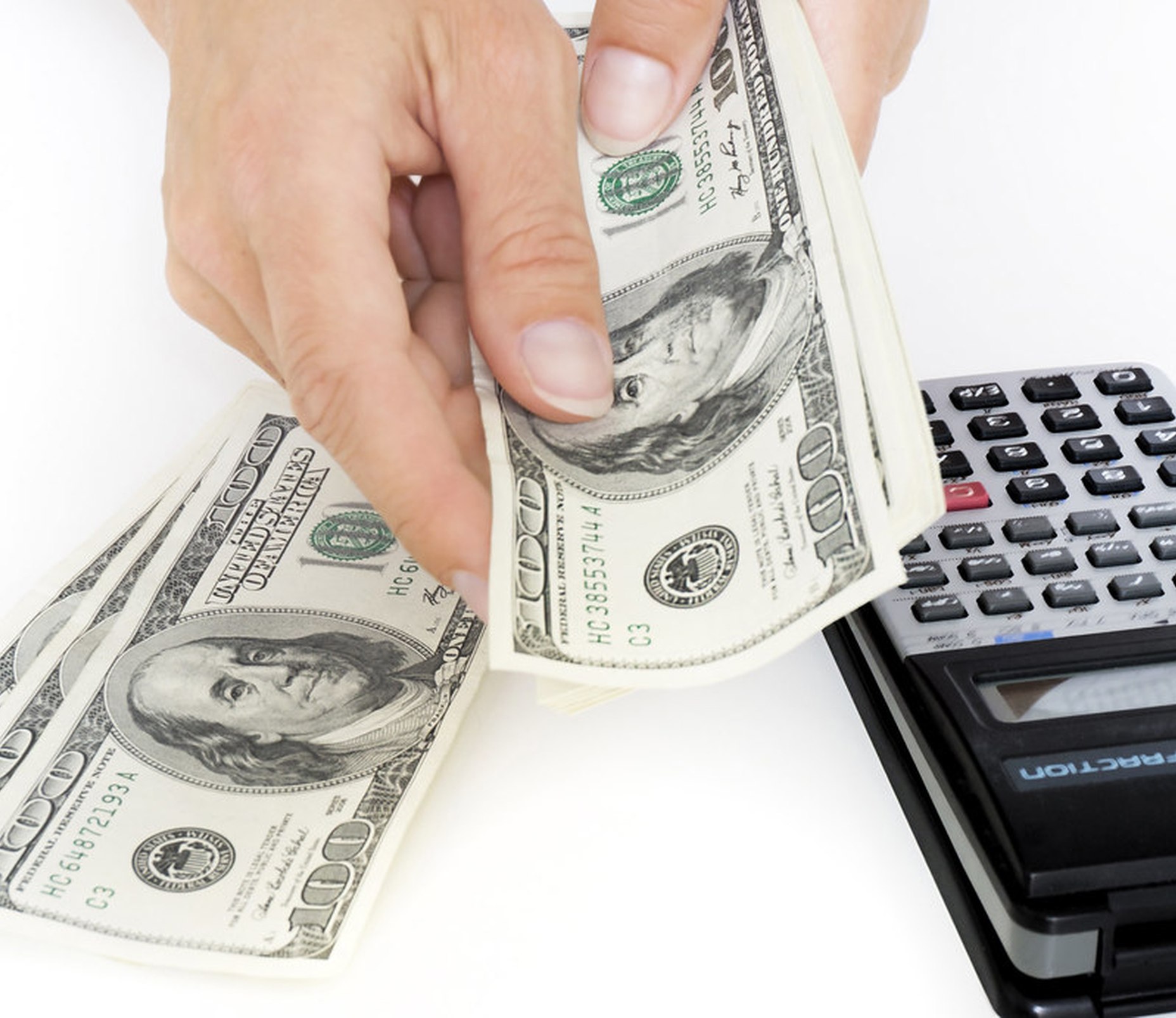 In 2010, a famous study concluded that money stops buying day-to-day happiness past a certain threshold. Thirteen years and two studies later, the answer turned out to be more nuanced — and different for most people.$75,000, then no ceiling the annual threshold above which Kahneman and Deaton estimated, in 2010, that daily emotional well-being stopped rising with income — a ceiling that Killingsworth, and later the two authors together, have since substantially revised
 Ask three hundred professional fund managers to rate their own skill: almost none will say they're below average.74% the share of nearly 300 professional fund managers who, in a behavioral test, rated themselves “above average” at their job — UK, US, Asia and Europe, 2005-2006
 Should you really check your portfolio in real time? An academic calculation says: roughly once a year.About a year the checking frequency that would make an investor indifferent between stocks and bonds, given loss aversion as measured in the lab — U.S. returns, 1926-1990
 Aug 18Men trade more than women in the stock market — and earn less as a result.1.4 points less per year — the annual net, risk-adjusted return gap between brokerage accounts held by men and those held by women, United States, February 1991 to January 1997
 Aug 18Funds earn more than the people who hold them — not because of fees, but because of timing.8.7% vs. 9.9% — the average annual return actually captured by investors in U.S. funds and ETFs over the 2016-2025 decade (flow-weighted), versus the average total return reported by those same funds over the same period
 Aug 18Investors sell their winning stocks too early, and hold on to their losers too long.58% vs. 42% — the proportion of gains realized versus the proportion of losses realized, individual U.S. brokerage accounts, 1987-1993